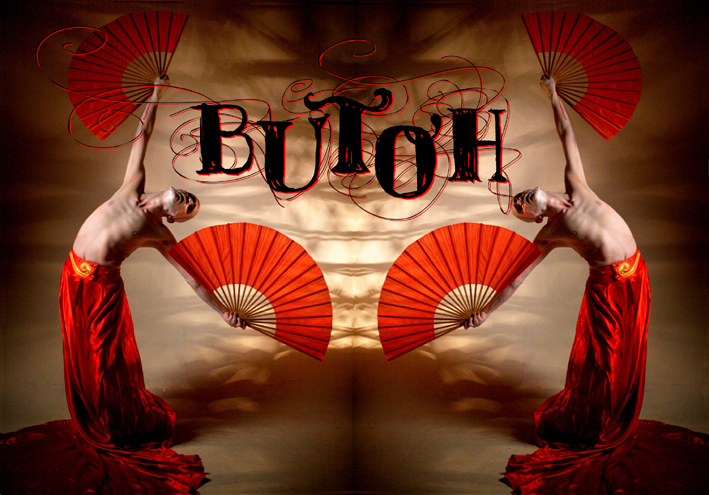
(Publicado no Jornal Dança Brasil - Por Joao Butoh)
Já se passaram 50 anos desde que Tatsumi Hijikata originou o Ankoku Butoh. Cias de butoh do Japão, Espanha, Malásia, Estados Unidos, Brasil e Tailândia da comunidade internacional do butoh reuniram-se em dezembro passado para as celebrações dos 50 anos da primeira performance de butoh. Esta celebração consistiu em apresentações de espetáculos e workshops de butoh durante a realização do 5TH INTERNATIONAL BUTOH FESTIVAL THAILAND 2009.
Conocido mundialmente como los creadores de danza butoh, Tatsumi Hijikata (desde 3 9no, 1928 hasta enero 21, 1986), Kazuo Ohno (octubre 27mo, 1906-junio 01, 2010) nació en Hakodate, Hokkaido, Japón, fue a el camino de la danza en 1929, cuando vio por primera vez en Tokio, el bailarín español, nacido en Argentina, Antonia Mercé (La Argentina), que participan por completo, dándole sus primeras impresiones sobre el renacimiento de la danza española, y se fue Ohno para estudiar la técnica de danza moderna de Mary Wigman, el coreógrafo expresionista alemán.
Known worldwide as the originators of Butoh dance, Tatsumi Hijikata (March 9, 1928 - January 21, 1986), Kazuo Ohno (October 27, 1906 - June 1, 2010) was born in Hakodate, Hokkaido, Japan, went to the way of dance in 1929 when he first saw in Tokyo, the Spanish dancer, born in Argentina, Antonia Mercé (La Argentina) that involved completely, giving him his first impressions of the rebirth of Spanish dance, and drove Ohno to study modern dance technique of Mary Wigman, the German expressionist choreographer.
(Published in Dança Brasil Newspaper - By Joao Butoh)
Tatsumi Hijikata, criou e desenvolveu ações teatrais, performáticas, na década de 40, quando o Japão do pós-guerra sofria uma invasão cultural por parte do ocidente. Foi em bares, boates, cabarés e pelas ruas do submundo de Tóquio que Hijikata dava início ao que nos anos 60, essa forma marginal de expressão, como era considerada, passara a ser chamada de Ankoku Butoh, dança das trevas. Hoje simplesmente Butoh.
Essa forma de expressão nascida literalmente na sarjeta, retomou tradições antigas do Japão, técnicas de dança ocidental e, antes de tudo, a idéia quase esquecida de que o dançarino não dança para si, mas para reviver algo muito maior.
De acordo com palavras do próprio Ohno, “Butoh é uma das mais arrojadas formas de dança contemporânea, única do Japão. Expressa ao mesmo tempo tantas idéias diferentes que é impossível defini-la. Ela somente choca e surpreende”.
Ohno busca no inconsciente comum a todo homem, oriental ou não, a beleza e a decrepitude, a simplicidade e a complexidade, o cômico e o trágico.
Da mobilidade e/ou imobilidade das extremidades corporais, que os braços, as pernas, o tronco, o pescoço, a cabeça levam o performático a mergulhar na viagem corporal que conduz à poesia.
Os dançarinos do Butoh quase não usam vestimentas, para eles a roupa veste o corpo e o corpo a alma. E é através da alma, das emoções, da vivência de cada um é que são criadas as seqüências gestualísticas que formam o Butoh.
A maquiagem melancólica, o branco sobre todo o corpo, faz com que os músculos sejam realçados, e suas formas expressivas delineadas em movimentos essenciais, se valorizem pela ausência de pêlos.
O Butoh recupera a vitalidade e a força do corpo, de um corpo domesticado pelas atividades cotidianas e esmagado pelas regras estabelecidas. O desenho de cada gesto é simbólico. Ele estimula idéias, associações e emoções tramando uma visibilidade: As intensidades, os afetos que atravessam os corpos, a música, os movimentos, são expressos através dos gestos. O corpo é o veículo de expressão dos elementos vitais: terra, água, fogo e ar.
Além de Kazuo Ohno que já veio ao Brasil por três vezes( 1986, 1992 e 1997 ), o grupo Sankai Juku, Natsu Nakajima, Anzu Furukawa, Ko Murobushi, Min Tanaka, Carlotta Ikeda e sua Cia. a Ariadone, também já se apresentaram por aqui.
Como a arte também está em evolução, Saburo Teshigawara, difundiu para o ocidente o pós-Butoh, assim como ele se define na sua coreografia “Dah-dah-sko-dah-dah”.
O Alemão Peter Sempel realizou “Just visiting this Planet”, um filme rodado em dez países (inclusive no Brasil) onde acompanhou Kazuo Ohno, combina o valor documental a uma sensível interpretação do universo deste senhor que, completava 95 anos no ano 2001, e ainda arrebatava platéias com suas coreografias que pretendem revelar “as formas da alma”.
“A minha dança é a reza para a vida. O que me faz dançar é o sofrimento que eu carrego dentro do meu coração. A vida e a morte são inseparáveis, estão juntas dentro de mim enquanto eu danço, a vida é a reza, a fé e a dança é também a mesma coisa”, define Kazuo Ohno.
Quando alguém vai a ele pedir pra ensinar a dançar, a resposta é sempre a mesma: “A dança não se ensina. Ela está dentro de cada um de nós. Primeiro tem que analisar sua vida, quando entender sua própria vivência, surgirá sua própria dança”.
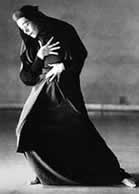
Antonia Mercé e Mary Wigman
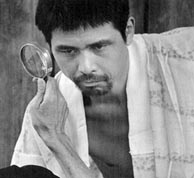
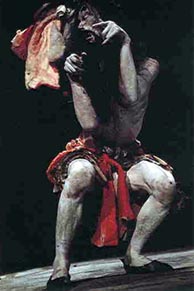

Tatsumi Hijikata e Kazuo Ohno
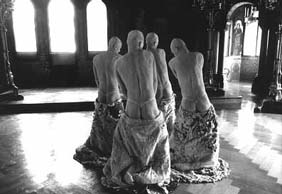
Sankai Juku
Foto por Alexandra Paszkowska.
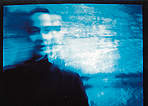
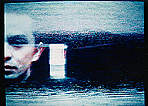
Saburo Teshigawara
Foto por Ravi Deepres.
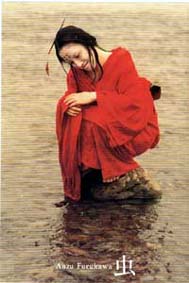
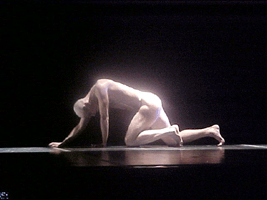
Anzu Furukawa e Ko Murobushi
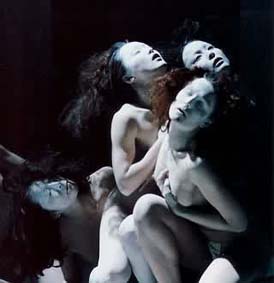
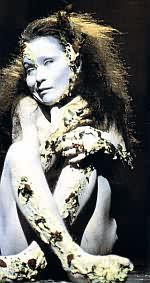
Cia Ariadone e Carlota Ikeda
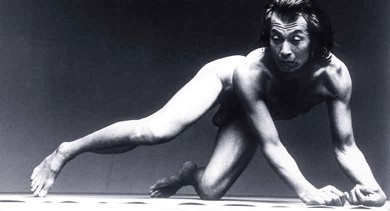
Min Tanaka
A DANÇA BUTOH
50 ANOS
Por João Roberto de Souza
Especial de Bangkok – Tailândia
O BUTOH Surgiu no Japão no final dos anos 50, criado por KAZUO OHNO E TATSUMI HIJIKATA, como um movimento cultural para impedir a invasão da cultura ocidental no pós-guerra. Os interpretes buscam no inconsciente comum a todo homem, oriental ou não, a beleza e a decrepitude a simplicidade e a complexidade, o cômico e o trágico. Essas dualidades como o masculino e o feminino, a vida e a morte, são características desta vertente das artes cênicas, que retomou antes de tudo a idéia quase esquecida de que o dançarino não dança para si, mas para reviver algo muito maior.
A primeira obra do butoh foi “Kinjiki” (Forbiden Colors), por Tatsumi Hijikata, que fez a estréia em um festival da dança em 1959. Baseado na novela do mesmo nome de Yukio Mishima, a obra explorava o tabu da homossexualidade e da pedofilia e terminava com uma galinha viva presa entre as pernas Yoshito Ohno (filho de Kazuo Ohno) e Hijikata perseguia Yoshito na escuridão do palco. Primeiramente em conseqüência do ocorrido da galinha ter morrido devido a uma estrangulação, esta obra chocou o público, e levou a performance à ser proibida no festival onde Kinjiki fez a sua estréia e estabeleceu Hijikata como um ícone.
Veja o que alguns dos participantes do 5TH INTERNATIONAL BUTOH FESTIVAL THAILAND 2009 falam sobre o butoh e suas influências que esta arte tem se enraizado por todo o planeta.
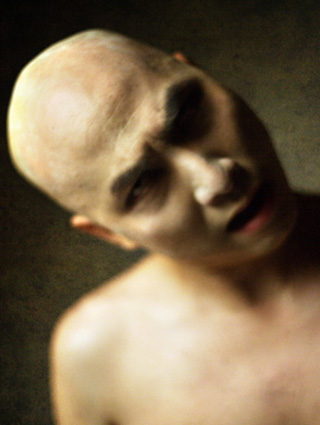
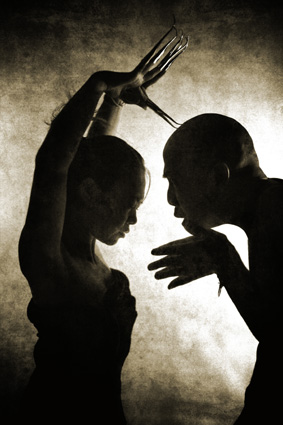
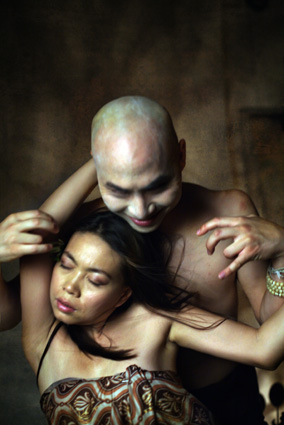
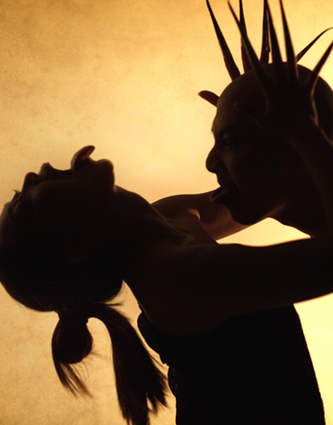
Michael Sakamoto
Fotos: Boaz Zippor
MICHAEL SAKAMOTO – ESTADOS UNIDOS
DB: Michael, fale um pouco de você e o seu contato com o Butoh.
MS: “Eu comecei com vídeo art no início dos anos 90 e passei para uma estética performática quando eu vi Kazuo Ohno executando "Admirando La Argentina" e quando eu encontrei minha mentora de performance, Rachel Rosenthal, cuja companhia eu trabalhei por seis anos. Em 1998, eu comecei a criar meus próprios trabalhos em teatro e dança, baseados no Butoh e influenciado pelo cinema que estudei profundamente. Desde então, eu criei oito obras de longa duração e seis obras de média duração para importantes teatros, galerias, e espaços alternativos. Eu já me apresentei no México, Tailândia, Japão, em toda Europa e América. Eu recebi apoio financeiro de numerosas instituições de nacional e internacionais, incluindo a Fundação Japão, Arts International, Meet the Composer, DanceUSA, e muitos outros. Eu ministro workshops freqüentemente, apresentações, palestras em universidades e na comunidade.”
DB: O que é o butoh pra você?
MS: “Butoh para mim é não só uma forma da dança, mas é uma maneira holística de performance, é uma maneira de ver, um modo de pensar, um modo de vida. O Butoh me deu uma visão e a habilidade de buscar e resolver muitas contradições da vida, reais e imaginarias. Algumas pessoas dizem que Butoh morreu com Hijikata. Eu concordo que a verdade inerente da maioria de movimento de Butoh morreu com ele e vive provavelmente somente em Ashikawa e em alguns outros. Entretanto, eu acredito muitíssimo que a verdade, a mais profunda do que nós chamamos Butoh nunca morrerá e pode ser encontrada em qualquer um que se conecte a verdade encontrada em si mesmo (mente/corpo/espírito), a sociedade, e a essência da natureza. Butoh permite qualquer um trabalhar com as suas experiências e verdade subjetiva para aceitar e dar a vida a essa realidade. Técnica de Butoh - se aprendida, adotada, ou criada de novo por outro artista - são simplesmente uma ferramenta e um filtro para esta realidade.”
DB: Como está o desenvolvimento do butoh nos Estados Unidos?
MS: “Eu sou de Los Angeles, onde tem uma comunidade pequena mas ativa de Butoh há 18 anos desde Oguri se estabeleceu em LA, um dançarino da companhia de Min Tanaka do grupo original “MAI Juku”. Desde então, a comunidade tem aproximadamente de 3 a 4 dúzias de dançarinos e estudantes. Ao longo dos anos 80 e dos anos 90, muitos artistas de Butoh do Japão se apresentaram no Japanese-American Cultural and Community Center, e isso ajudou muito a compreensão e a atração à forma da dança para se desenvolver em L.A.
Difícil se conseguir Incentivo financeiro, artistas de Butoh não podem ainda sobreviver de sua arte -final em L.A.(ou seja lá onde for no mundo). Poucos professores de dança acadêmica centrados em pesquisar o Butoh ou artistas performáticos japoneses vanguardistas trabalham nas faculdades e universidades, mas isto é muito raro.”
DB: O que você gostaria de nos falar mais sobre seu encontro com o butoh?
MS: “O Butoh me deu uma maneira significativa e poderosa de relacionar as minhas opiniões, emoções, corpo, e espírito em relação ao restante do mundo. Antes de descobrir o Butoh, como muitas outras pessoas eu estava vivendo duplamente um conflito, internamente e externamente como fechado em uma concha, e com o Butoh eu renasci outra vez, como que se essa concha se quebrasse, sem ilusões, mas transparente, acessível e inteiro.”
Site: www.michaelsakamoto.com
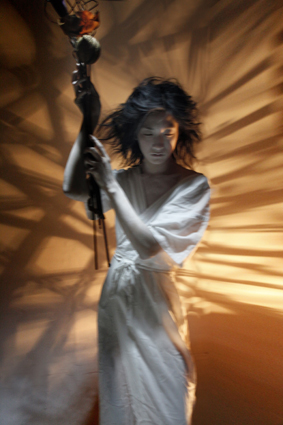
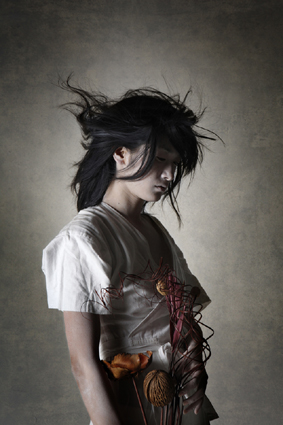
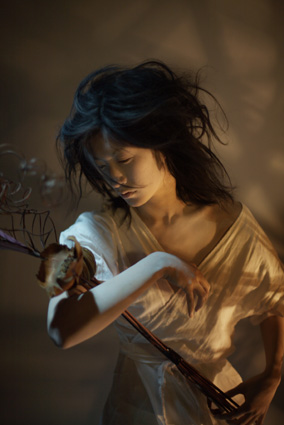
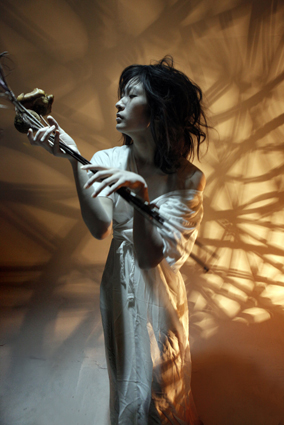
Keiko Yamaghuchi
Fotos: Boaz Zippor
KEIKO YAMAGHUCHI - JAPÃO
DB: Nos fale um pouco sobre você e o butoh.
KY: “Eu estudei teatro no Reino Unido, onde eu tive o primeiro contato com o Butoh. Eu participei de obras de Butoh com Kan Katsura nos últimos anos por diferentes países. Eu estou desenvolvendo meu próprio treinamento físico e tenho me apresentado em diferentes países na Europa.
Eu destaco “Once upon a midnight” dirigido por Catherine Fitzgerald no festival de Kijimuna em Okinawa-Japão e Oz Asia Festival em Adelaide-Austrália (2008), excursão com Kan Katsura na East Asia (2008), “Koshitsu” por Keiko Yamaguchi no festival internacional de Butoh (2009).”
DB: O que te seduziu no Butoh?
KY: “Por causa da minha formação em teatro, eu sempre questionei qual é a diferença entre a dança e o teatro. Butoh é para mim uma dança, mas é mais do que apenas uma estética de forma de movimento. O que dentro da forma do Butoh o faz uma dança, ainda tem um forte aspecto teatral para mim nisso tudo, mas, contudo o estilo é uma dança. A pergunta oposta é aplicada ao teatro; quanto podemos nós envolver o corpo a fim de criarmos uma produção de teatro e não cairmos em uma obra de dança?”
DB: Como está o butoh no Japão?
KY: “Sou de Osaka-Japão. É duro dizer sobre o Butoh no Japão porque eu conheci o Butoh no Reino Unido e tenho feito Butoh fora de Japão. Entretanto, olhando de fora, parece que o Butoh ainda permanece um estilo ativamente vivo na Europa do que no Japão. Na cena contemporânea do Japão, eu vejo que as tentativas de diferentes artistas que eu suponho que são influenciados por Butoh, tendem a questionar outra vez o forma da dança. Por causa da cultura contemporânea no Japão como em outros países, o cultura Pop, a ocidentalização ocupa nossa cultura, e o estilo de Butoh está se transformando gradualmente em formas diferentes de artes performáticas.”
DB: Qual outra contribuição aos nossos leitores você gostaria de deixar?
KY: “Vendo artistas diferentes de Butoh no mundo, eu compreendi que o Butoh não é mais somente uma arte cênica japonesa. Muitos artistas estrangeiros fizeram crescer o Butoh em diferentes dinâmicas e foi isso que fez com que o Butoh estivesse vivo por todo este tempo. Isto traz uma necessidade de se olhar para o passado e elevar o nosso espírito outra vez , os artistas japoneses das novas gerações não sabem nada sobre o Butoh.”
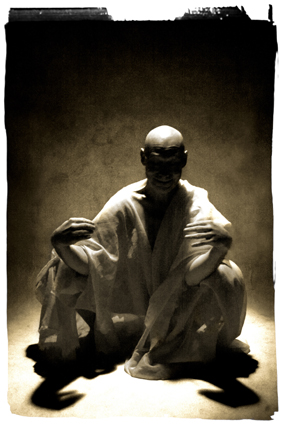
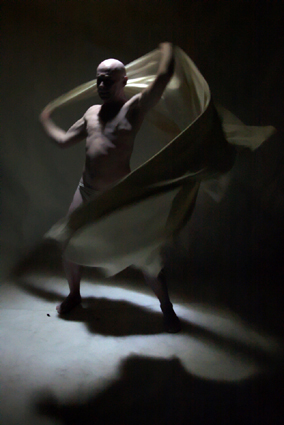
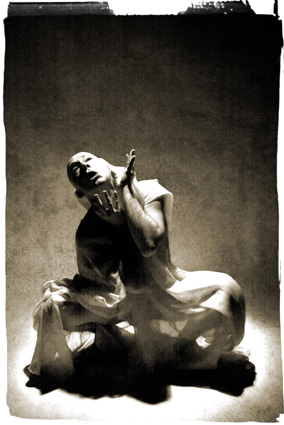
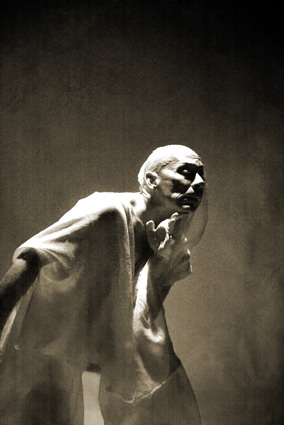
Terry Hatfield
Fotos: Boaz Zippor
TERRY HATFIELD – Diretor BUTOH CO-OP THAILAND
Produtor “Ray of Light Productions”
DB: Como foi o começo de sua carreira e seu encontro com o Butoh?
TH: “Eu comecei minha carreira profissional como ator/dançarino/técnico aos 12 anos de idade. Trabalhando no teatro, na televisão, e no cinema. Sou Bacharel em Artes em teatro/dança pela Western Kentucky University e fui premiado com a T.C. Cherry Award for Excellence in Theatre. Eu formei minha primeira companhia em 1978 - "The Primal Therapy Coloring Book” que mesclava elementos de atuação, de mímica, e de dança. Eu fundei o Ray of Light Productions em 1985 produzindo teatro, filmes, vídeos, dança, e maneiras para promover a consciência social. Alguns destes meus trabalhos foram veiculados na MTV.
Eu comecei a trabalhar como artista de Butoh em 1990 após ter visitado o Japão. Eu fundei a Butoh Co-Op Thailand em 2005 e produzi os festivais internacionais de Butoh aqui em Bangkok-Tailândia. Eu ministrei oficinas e me apresentei pelos Estados Unidos, Europa, América do Sul, África ocidental, e o Sudeste Asiático.
Eu colaborei e dancei com o Kiroga Theatre, Ballet Colbert, Peters Wright Creative Dance, Deborah Slater Dance Theatre, Pearl Ubungen Dancers and Musicians, Harupin-Ha Butoh Dance Theatre, Takami & Toumei, Katsura Kan & Saltambiques, Crescent Moon, B-Floor Theatre, Makhampon Theatre Group, e Khandha Arts’ N Theatre Company.”
DB: O que o lhe chamou atenção no Butoh?
TH: “Meu primeiro treinamento físico foi em artes marciais, Shaolin Karate que me conduziu a estudar dança, isto é, ballet, jazz, moderno, tap dance, e comédia musical. Minha companhia a “The Primal Therapy Coloring Boo”k, produziu uma obra usando técnicas similares de Tatsumi Hijikata com a aparência poética nos anos 70 e 80, embora, naquele tempo, eu não tive nenhum conhecimento de Hijikata ou de Butoh.
Eu comecei a trabalhar com o Kiro Kopulus do Kiroga Theatre que foi minha introdução ao Butoh. O treinamento físico do Butoh era similar ao de minhas artes marciais iniciais que treinei e foi bem assimilada pelo meu corpo como uma atividade natural. Desse ponto, eu continuei a estudar com os vários mestres que incluem: Koichi & Hiroko Tamano, Katsura Kan, Akira Kasai, Eko & Coma, Anzu Furakawa, Yumiko Yoshioka, Setsuko Yamamoto, and Ko Morobushi.
Butoh Co-Op Thailand é um grupo de artistas independentes dedicados à instrução e à exposição das artes do Butoh. Nós produzimos três obras anualmente e convidamos outros artistas internacionais de Butoh para trabalhar junto a companhia aqui na Tailândia.”
DB: Como é o trabalho com a sua companhia? Vocês têm patrocínio?
TH: “Eu sou original dos Estados Unidos. Eu vivi em São Francisco por 10 anos. Há uma grande comunidade de Butoh na área da baía com pelo menos 12 companhias diferentes que produzem ativamente seu trabalho regularmente. Encontrar o suporte financeiro foi sempre difícil para artistas, ainda mais para artistas de Butoh que como forma de arte não é apreciado facilmente por audiências ocidentais. Após os fatos de 11 de setembro de 2001, todo o financiamento das artes do governo Americano foram cortados do orçamento e os artistas tiveram que voltar para o patrocínio do setor privado. Eu me mudei para Bangkok-Tailândia em 2004 e tenho construído gradualmente uma comunidade de Butoh, e aqui há um grande interesse. Os artistas na Tailândia têm que encontrar o patrocínio em empresas privadas porque o governo não é estável desde o golpe de Tat de 2007 e a diminuição econômica global. Eu financio pessoalmente todos meus projetos.
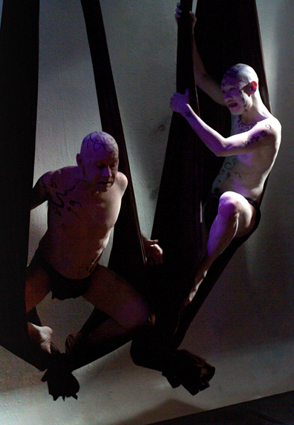
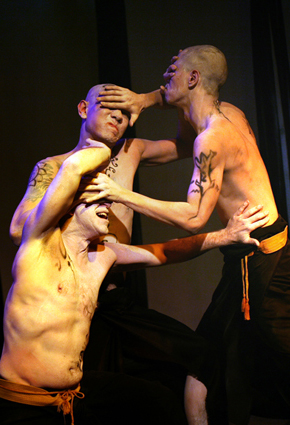
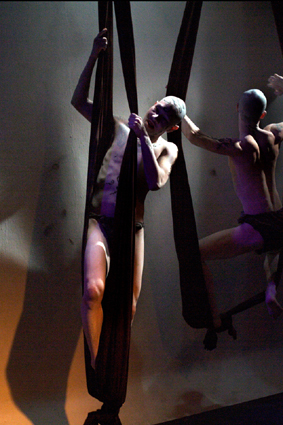
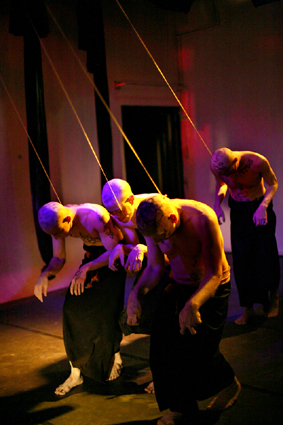
B-Floor Theatre
Fotos: Boaz Zippor
TEERAWAT MULVILAI e JARUNUN PHANTACHAT
Diretores da B-FLOOR THEATRE – TAILANDIA
DB: Kage nos fale um pouco de você.
TM: “Eu nasci em Chiang Rai, aqui na Tailândia, e sou conhecido como Kage. Tenho formação em técnicas diversas do movimento tais como Butoh, Top Ma Pab (arte marcial do norte da Tailandia), dança moderna, entre outros. Em 1996, foi convidado por Kamron Gunatilaka a ser um ator e membro do Crescent Moon Theatre. Em 1999, co-fundei o B-Floor Theatre. Trabelhei com Katsura Kan, em diversos projetos e turnês pela Europa. Em 2002, fui artista residente pela Aliança Francesa. Em 2004 no Camboja.
Em 2006 fui Artista Residente em The Taipei Artists Village. Ganhei em 2008, the Bangkok Theatre Network awarded com a obra criada nesta residência. Recebi em 2009 uma Bolsa de Estudos do Asian Cultural Council Fellowship para estudar nos Estados Unidos.”
DB: Jaa, você que é também diretora da Cia nos conte um pouco sobre sua trajetória.
JP: “Nasci em Phayao-Tailândia. Sou Bacharel em Artes em comunicação de massas pela Universidade de Chiang Mai. Meu treinamento físico é muito diverso inclui a dança moderna, as técnicas de Laban, o Butoh entre outras.
Em 1997 comecei a minha carreira profisssional na Wow Internacional Company e outras colaborações internacionais com esta companhia incluem This is not the Ramakien (1998), PUSH (1998), Stairway to the Stars (1999), e Death of Nations (2003-2004).
Em 1999 fui coordenadora e a organizadora de uma série de eventos Thai-American-Japanese. Em março do mesmo ano, foi convidada a participar na International Women Art Exchange Exhibition /Womenifesto 1999.
De 1999-2000, assistente de direção do projeto 304. Em maio de 2000, participou em Women Warrior Tales, um projeto em colaboração com artistas indonésios em Bali, em Jakarta, em Surakara, e em Yorkyagata. De 2003-2004, trabalhou no 2003 Bangkok Theatre Festival, 2004 Thailand-Japan Performance Exchange Project .
Em 2008, Bangkok Theatre Network awarded concedeu um prêmio na categoria "Most Socially Conscious Play."
DB: Kage nos conte agora sobre a sua Companhia.
TM: “Foi fundada em 1999 por um grupo de atores, diretores e designers, B-Floor Theatre é uma das pioneiras companhias de teatro contemporâneas da Tailândia. Agora que estamos comemorando o nosso 10º ano, a B-Floor Theatre está se renovando para gerar um trabalho provocante de teatro sobre a sociedade, a política e a condições humana usando uma combinação de movimento físico, de dança, e de multimedia.
As produções da “B-Floor” se esforçam para aumentar a consciência social comunicando os pontos de vista de idéias e de eventos suprimidos, desafiando as novas formas viscerais, artísticas, e intelectuais. Os espetáculos da “B-Floor” são desenvolvidos através da improvisação nos laboratórios de teatro; onde o grupo experimenta as habilidades expressivas do corpo humano combinando a dança, a mímica, máscaras, a ginástica e artes marciais contemporâneas.
O B-Floor's igualmente enfatiza a exploração e a incorporação de elementos como objetos, luzes, som, bonecos, e de cinema, por outro lado o movimento do corpo cria uma narrativa para o espetáculo.
As obras da “B-Floor” nem sempre tem um roteiro falado, centrando-se preferivelmente sobre a narração altamente visual e sensorial que pode se comunicar além das fronteiras da língua e culturais.
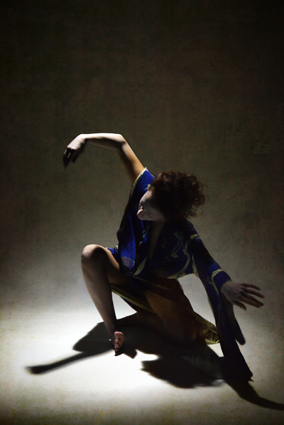
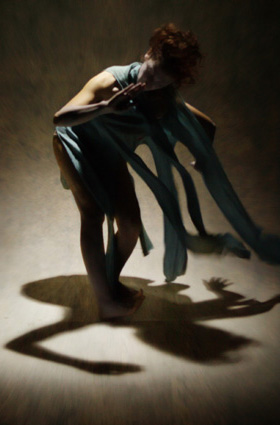
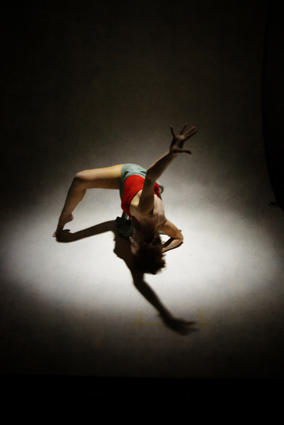
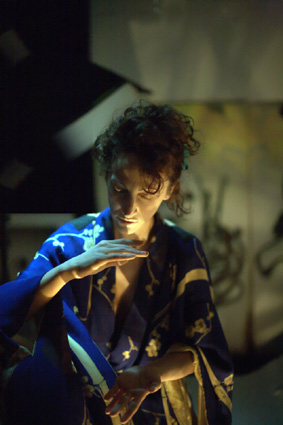
Rocio Fernandez
Fotos: Boaz Zippor
ROCIO FERNANDEZ - ESPANHA
DB: Fale um pouco sobre o seu início de carreira.
RF: “Comecei a praticar artes marciais com a idade de 2 anos por ser meu pai professor de Taekwondo, com mais de 15 anos de prática por diferentes cidades da Espanha.
Com a idade de 4 anos entrei a formar parte de una compañía de Clásico Español durante 9 años
Descobri a dança contemporânea aos 21 anos e fiquei maravilhada com o universo de possibilidades de movimento do corpo e seu entorno desde suas diversas linguagens.
Sou Licenciada em Psicologia e Mestre em Terapia pelo Movimento e Dança. No ano de 2001 eu descobri a dança japonesa Butoh em Barcelona. Este encontro motivou uma investigação de uma linguagem mais pura, sutil e sugestiva.
Continuei a minha formação entre Barcelona, Alemania e Japão, com professores como Yoshito Ohno, Tadashi Endo, Yumiko Yoshioka, Atshushi Takenoushi, Yuko Kaseki, Carmen Torrent, entre outros.”
DB: Qual sua pesquisa com o butoh?
RF: “Estou interessada na dança Butoh como conteúdo, desenvolvendo e investigando imagens habitadas como método formal coreográfico aplicado tanto na iluminação como na cenografia por sua sensibilidade e precisão.
Interessa-me a integração entre a dança contemporânea e Butoh e meu método exploram as qualidades de Movimento de Laban com imagens de Butoh, convertendo esta dança em uma ferramenta de dança-terapia.”
DB: Como está o Butoh em seu país e o apoio financeiro?
RF: “Na Espanha há poucas companhias consolidadas de dança Butoh, e os Festivais o encontros de Butoh acontecem entre Barcelona, Madrid e Ibiza com nosso Festival HArU Proyect.
A Cia de dança Butoh Batafurai, que dirijo há 6 anos tem a residência na ilha de Ibiza, porém trabalho com artistas a nível nacional e internacional,
Nos últimos 2 anos estamos começando a receber ajuda para subvencionar projetos nacionais e internacionais, cessão de espaços públicos e residências artísticas na península para desenvolver os projetos artísticos.
Para participar no Festival de Butoh de Bangkok, tivemos o apoio do Institut Ramon Llul."


Nyoba Kan
Fotos: Boaz Zippor
NYOBA KAN - MALÁSIA
DB: Fale um pouco da sua companhia.
YC: "Ela foi fundada em 1995 por Lee Swee Keong, Ng Mei Yin e Loi Chin Yu, a companhia inicialmente se chamava Nyoba & Dancers, depois mudou para Nyoba Dance + (2001) e agora Nyoba Kan (2006). Lee Swee Keong é o diretor artístico e Kiea Kuan Nam, Caecar Chong e eu que sou a Yeow Lai Chee somos os integrantes atuais.
A Companhia Nyoba Kan se considera uma trupe de artes experimental ela é pioneira de novas formas de teatro dança na Malásia. A companhia funde elementos do butoh, da meditação, do zen, da ioga e da filosofia do gongo de Qi."
DB: O que seduz no butoh no trabalho da Nyoba Kan?
YC: “A prática da Cia Nyoba Kan foi baseada na ideologia do "ajudando-se uns aos outros para crescer", no sentido físico e espiritual. O diretor artístico Lee Swee Keong combinou várias técnicas e disciplinas adquiridas de seus gurus e deu forma própria a filosofia do Butoh. Ele acredita que o Butoh ajuda na integração construtiva do corpo e a mente, fornecendo uma nova perspectiva para a vida e a morte. Esta é uma forma de expressão espiritual para além do físico. Com Butoh, nós estamos expressando verdadeiramente a interação da mente e do corpo, estamos apresentando às vezes um estado de forma orgânica original e misteriosa e estamos experimentando às vezes um estado de movimento radical.“
DB: Como está o desenvolvimento do Butoh em seu país? A cia tem apoio financeiro?
YC: “Nós somos da Malásia. A dança de Butoh é nova na Malásia. E até agora não há nenhum estudo formal de Butoh nas instituições. Por isso a Nyoba Kan desenvolve um papel fundamental para divulgar a filosofia, a técnica, e o espírito de Butoh. Até agora, não temos nenhum tipo de incentivo financeiro.”
DB: O que mais você gostaria de falar aos nossos leitores?
YC: “Quando o Butoh foi apresentado primeiramente ao mundo em 1959 por Tatsumi Hijikata e por Yoshito Ohno, foi tachado imediatamente como escandaloso pela sociedade japonesa. Violento e sexual, irracional e assustador; Butoh é um enigma, um mistério cambiante. Intenso ou calmo, lento e maníaco, doloroso íntimo ou grande espetacular, improvisado livremente, ou coreografado em gestos estilizados. Butoh parece voar longe de si mesmo, de definição de oposição ou da explicação. Com Butoh, o dançarino e o público ambos serão transportados em um mundo de auto-inspiração e de auto-tratamento. Quebrando com os costumes comuns, enfrentando a verdadeira natureza da vida, liberando a fonte de poder interno.”
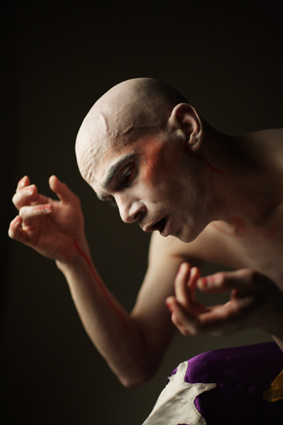
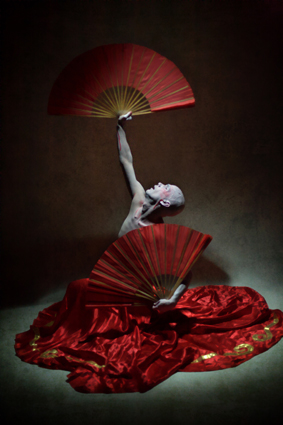
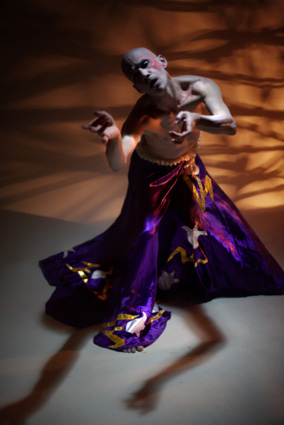
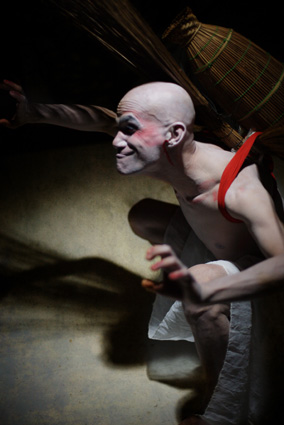
Joao Butoh
Fotos: Boaz Zippor
JOAO BUTOH – OGAWA BUTOH CENTER – BRASIL
Eu finalizo a matéria como o representante de meu país e condutor deste bate papo com essa nova geração de expoentes mundiais do butoh.
1) Vou começar falando um pouco de minha trajetória.
“Minha formação é baseada na total integração de todos os elementos que integram a arte cênica: Teatro, dança, cenários, roteiro, texto, figurinos, etc...
Comecei a minha formação aos 7 anos de idade, aos 16 anos fundei a minha primeira companhia. Ganhei bolsa de estudos para o Dança Clarisse Abujamra em São Paulo aos 18 anos, onde pude ter contato com grandes nomes da dança contemporânea e moderna brasileiras, nos seus mais diferentes estilos.
Quando eu conheci o Butoh em 1983, iniciei uma cruzada em busca de informação o que no Brasil era quase impossível conseguir na época.
Busquei parcerias e inúmeros trabalhos solo foram desenvolvidos, participei de vários festivais de dança como o de Joinville. Fui o introdutor desta vertente nestes festivais. Viajo o Brasil divulgando o Butoh desde então.
Participei de vários eventos como ator/bailarino e professor aqui na Tailândia, Alemanha, Portugal, Inglaterra, Estados Unidos, Austrália, Argentina, México e Brasil.
Já recebi dezenas de prêmios como coreógrafo, figurinista, cenógrafo, diretor e bailarino.”
2) “O que me seduziu no Butoh e o quanto isso influenciou no meu trabalho?
Eu sempre desenvolvi o teatro e a dança paralelamente, não conseguia ver uma separação e foi onde que eu vi que os dois se encontravam nesta vertente do teatro japonês.
Como no início não havíamos conhecimento de nenhum trabalho corporal para o Butoh, partimos para o desenvolvimento de uma metodologia ocidental para essa finalidade. Surgiu o Aiar Butoh.
Minhas ferramentas para isso foi o trabalho de Klaus Vianna e a técnica de Martha Graham.
A exploração espacial das partes periféricas do corpo faz parte da característica do Aiar Butoh. Que é mais lírico, poético e leve, se aproxima muito mais de Kazuo Ohno do que o que conhecemos de Tatsumi Hijikata.
Então como entender um corpo que sobe ao palco e improvisa com a qualidade de uma vida toda? Muitas questões levantadas e para cada uma tentamos encontrar respostas. Muitos espinhos encontrados, pedras pontiagudas que nos sangraram os pés e até outras atiradas que nos lançaram do escuro e do meio da multidão. Incompreensões, falsas acusações, típico das pessoas que não nos conhecem e tem para si de que o melhor do homem está nas grandes cidades e menosprezam o que vêm de pequenas cidades, pequenos movimentos e pequenos sinais.
Para um grande incêndio é necessária apenas uma pequena fagulha para este fogo iniciar.
E assim seguimos nós, em meio a ventos e trovoadas, muitas vezes sentindo o amargor das palavras alheias, muitas vezes vendo amigos desistirem da jornada e quando nos damos conta estamos caminhando solitariamente com todas as bagagens nas mãos, nas costas e puxando pelo caminho pesados fardos.“
3) Como está o Butoh no Brasil?
Eu estou há mais de 25 anos dançando e ministrando workshops, introduzindo alunos, atores e bailarinos neste universo do Butoh.
Existem algumas pessoas e grupos que pipocam apresentando obras inspiradas no Butoh, mas está longe da dedicação que ele merece.
Eu dedico a minha vida ao Butoh, desde que o conheço. Procuro novas informações, crio obras para a minha companhia a Ogawa Butoh Center e para outras cias também.
Tenho orgulho e honra de subir no palco, mas antes disto, tenho paixão em me preparar diariamente, corpo e espírito. Compartilhar a emoção e o dom que a mim foi dado.
Em relação a incentivos financeiros, ainda estamos muito longe do necessário. A falta de políticas públicas para o desenvolvimento de cultura e arte, o cooperativismo que assola e controla os editais públicos de fomento e de empresas públicas e privadas, tudo pode nos colocar em xeque mate. Os políticos não vêem a arte como uma profissão no Brasil, então a maioria das cias vivem de enviar projetos para sobreviver por tempo determinado. Um artista no Brasil não tem direito a formar família, manter filhos nas escolas, ter plano de saúde, e tudo o mais que os cidadãos comuns usufruem.
4) E a Ogawa Butoh Center, como está sobrevivendo?
Recebemos o Prêmio Encena Brasil de Teatro e Dança 2001 do Ministério da Cultura e em 2008 foi premiada pelo Programa de Incentivo da Dança Paulista do Governo do Estado de São Paulo, tivemos como patrocinador a SABESP. O patrocínio acabou e o Programa de Fomento não durou mais de uma edição.
A Cia irá completar 27 anos em 2010 e é formada por 08 integrantes.
Trabalhamos muito, diariamente e por intermédio da seriedade e qualidade de nosso trabalho conseguimos alguns apoiadores que nos acercam já há alguns anos a Vivver Arquitetura, Jomarc Marcenaria, Só Dança, GG Vídeo, Dança Brasil, Academia Central Fitness, Meias Daniela, Universitária FM, Teatro Escola Macunaíma, Ministério da Cultura - Lei Rouanet
Para a minha participação no 5TH INTERNATIONAL BUTOH FESTIVAL THAILAND 2009 eu tive o apoio do Fundo Nacional de Cultura do Ministério da Cultura.
Boaz Zippor – fotógrafo que gentilmente cedeu as fotografias para esta matéria especial, também participou do 5TH INTERNATIONAL BUTOH FESTIVAL THAILAND 2009, com uma exposição de fotografias juntamente com o fotógrafo Stephan Funke.
Livros sobre o assunto publicados no Brasil:
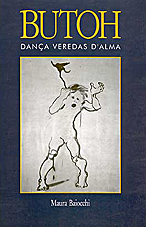
Butoh - Dança Veredas D'Alma
Autor: Maura Baiocchi
Editora: Palas Athena
Ano: 1995
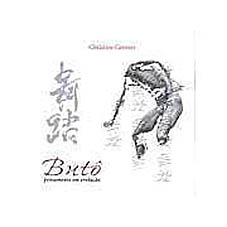
Buto: Pensamento em Evolução
Autor: Christine Greiner
Editora: Escrituras Editora
Ano: 1998
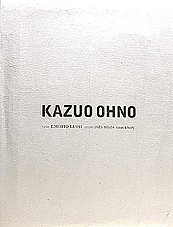
Kazuo Ohno
Autor: Inês Bogea
Fotógrafo: Emidio Luisi
Editora: Cosac Naify
Ano: 2003

Tatsumi Hijikata, creó y desarrolló el teatro de valores, actuando en los años 40, cuando el Japón de la posguerra sufrió una invasión cultural de Occidente. Fue en bares, discotecas, cabarets y las calles de Tokio bajo mundo que Hijikata fue donde a los años 60, esta forma de expresión marginal, como se pensaba, tuvo que ser Ankoku Butoh danza de la oscuridad. El día de hoy Butoh.
Esta forma de expresión nació literalmente en la cuneta, volvió a las antiguas tradiciones de Japón, y las técnicas occidentales de danza, en primer lugar, casi olvidada la idea de que el bailarín no baila para sí mismos, sino a algo mucho más grande volver a vivir.
Según las propias palabras de Ohno, "Butoh es una de las más atrevidas formas de la danza contemporánea, uno de Japón expresa al mismo tiempo que muchas ideas diferentes que es imposible definirlo. Sólo los choques y sorpresas".
Ohno buscando en el inconsciente común a todos los hombres, orientales o no, la belleza y la decrepitud, la simplicidad y complejidad, lo cómico y lo trágico.
Movilidad y / o la inmovilidad de las extremidades, los brazos, piernas, tronco, cuello, cabeza, dar el paso en el viaje del cuerpo performativo que conduce a la poesía.
Los bailarines de Butoh uso casi sin ropa, la ropa que llevan en el cuerpo y el cuerpo del alma. Y es a través del alma, las emociones, la experiencia de cada uno es que se crean las secuencias que forman gestualísticas Butoh.
La melancolía maquillaje blanco en todo el cuerpo, hace que los músculos que se puso de relieve, y sus formas de expresión descritos en los movimientos esenciales para apreciar la falta de pelo.
El Butoh se recupera la vitalidad y la fuerza del cuerpo, un cuerpo domado por las actividades diarias y aplastado por las reglas. El diseño de cada gesto es simbólico. Estimula las ideas, las asociaciones y la visibilidad de las emociones trazado: La intensidad, afecta a los organismos de cruce, la música, los movimientos, se expresan a través de gestos. El cuerpo es el vehículo de expresión de los elementos vitales: tierra, agua, fuego y aire.
Además de Kazuo Ohno, que ha visitado Brasil en tres ocasiones (1986, 1992 y 1997), el grupo Sankai Juku, Nakajima Natsu, Furukawa Anzu, Ko Murobushi, Tanaka Min, Carlotta Ikeda y sus Co. en Ariadone también han realizado allí.
A medida que el arte también está evolucionando, Saburo Teshigawara, extendió hacia el oeste después de Butoh, como lo establece su coreografía en "Dah-dah-sko-dah-dah".
El alemán Peter Sempel realizado "Just Visiting this Planet", una película filmada en diez países (incluyendo Brasil), donde acompañó a Kazuo Ohno, el valor documental combina una interpretación sensible del universo que este señor, completó 95 años en 2001, y todavía fascinado al público con su baile que tienen como objetivo revelar "las formas del alma".
"Mi baile es para orar por la vida. Lo que me hace el baile es el sufrimiento que llevo en mi corazón. Vida y muerte son inseparables, están juntos dentro de mí cuando yo bailo, la vida es la oración, la fe y la danza también es el mismo, dijo Kazuo Ohno.
Cuando alguien le pregunte a enseñar danza, la respuesta es siempre la misma: "La danza no se enseña. Es dentro de cada uno de nosotros. En primer lugar hay que analizar su vida, cuando usted entiende su propia experiencia vendrá su propio baile".
(Publicado en el Diario Oficial de Brasil Dance - Por Joao Butoh)

Tatsumi Hijikata, created and it developed theatrical and performatic actions, in the 40's, when Japan of the postwar period suffered a cultural invasion on the part of the occident. It was at bars, nightclubs, cabarets and for the streets of the underground of Tokyo that Hijikata led off that in the sixties, that marginal form of expression, as it was considered, it had become call of Ankoku Butoh, it dances of the darkness. Today simply Butoh.
The form of expression born literally in the gutter, it retook old traditions of Japan, techniques of western dance and, before everything, the idea almost forgotten that the dancer doesn't dance for itself, but to revive something very larger.
In agreement with words of own Ohno, "Butoh is one in the headiest forms of contemporary dance, only from Japan. Expresses so many different ideas at the same time that is impossible to define it. it only collides and it surprises".
Ohno looks for in the unconscious of every man, oriental or not, the beauty and the decrepitude, the simplicity and the complexity, the comedian and the tragic.
Of the mobility and/or immobility of the corporal extremities, that the arms, the legs, the log, the neck, the head takes the performatic actions to dive in the corporal trip that leads to the poetry.
The dancers of Butoh use few vestiments, for them the clothes dresses the body and the body the soul. And it is through the soul, of the emotions, of the existence of each one is that are created the sequences the gestures that Butoh is formed. The melancholic make-up, the white color on the whole body, does with that the muscles are enhanced, and the expressive forms delineated in essential movements, be valued by the absence of hair.
Butoh recovers the vitality and the force of the body, of a domesticated body for the daily activities and squeezed by the established rules. The drawing of each gesture is symbolic. He stimulates ideas, associations and emotions scheming a visibility: The intensities, the affections that cross the bodies, the music, the movements, they are expressed through the gestures. The body is the vehicle of expression of the vital elements: earth, water, fire and air.
Besides Kazuo Ohno that already came to Brazil for three times (1986, 1992 and 1997), the group Sankai Juku, Natsu Nakajima, Anzu Furukawa, Ko Murobushi, Min Tanaka, Carlotta Ikeda and her Co. Ariadone, also already came perform here.
As the art is also in evolution, Saburo Teshigawara, diffused for the occident the post-Butoh, as well as him it is defined in the choreography " Dah-dah-sko-dah-dah ".
The German Peter Sempel performed "Just Visiting this Planet", a movie filmed in ten countries (including Brazil) where he accompanied Kazuo Ohno, the documentary value combines a sensitive interpretation of the universe that this gentleman, completed 95 years in 2001, and still entranced audiences with their dancing that aim to reveal "the ways of the soul".
My dance is the prayer for the life. The one that makes me dance it is the suffering that I carry inside of my heart. The life and the death are inseparable, they are inside committees of me while I dance, life is the prayer, the faith and the dance is also the same thing", it defines Kazuo Ohno. When somebody is going to him to ask for teaching to dance, the answer is always the same: " The dance doesn't become trained. She is inside of each one of us. First you has to analyze your life, when you understand your own existence, your own dance" will appear.